
The Real Russia: Promise and Prudence – A Portrait for 2026
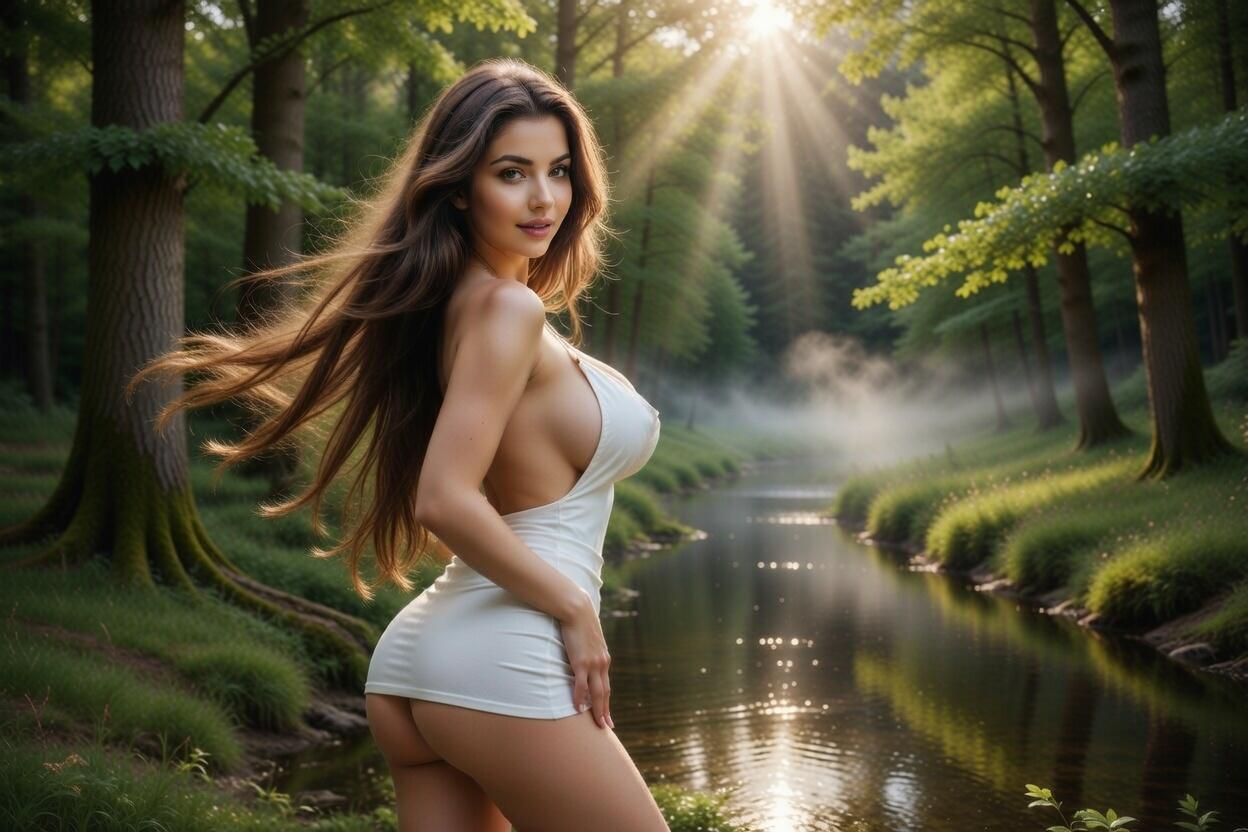
The Real Russia: Promise and Prudence – A Portrait for 2026
Part One: A Nation's Enduring Strengths – Culture, Hospitality, Beauty, and the Celebration of Family
As 2026 unfolds, Russia presents a face to the world that is often misunderstood in Western media—sometimes caricatured, sometimes romanticized. The country possesses genuine cultural assets alongside profound structural pressures that shape every aspect of life. For those who approach with genuine curiosity and respect, Russia offers experiences of extraordinary depth, but these rewards exist within a context that demands clear eyes. This essay attempts to hold both realities together: the strengths that sustain Russian society and the challenges—demographic, economic, geopolitical—that make its path forward uncertain.
World-Class Culture, Renewed Urban Spaces, and Natural Wonders
Moscow and St. Petersburg remain world-class cultural capitals, and the years 2025 and 2026 have seen a remarkable flowering of cultural activity despite broader challenges. The Bolshoi Theatre's 2025 season featured new productions of Tchaikovsky's Swan Lake, Rimsky-Korsakov's The Tsar's Bride, and a revival of Prokofiev's Romeo and Juliet that drew strong reviews from domestic critics and attracted audiences from across Russia and friendly nations abroad. The theatre's streaming initiative, launched in 2024, now broadcasts select performances to cinemas in over 200 Russian cities—a significant development for regions like Siberia and the Far East. The renovated Moscow Conservatory, completed in late 2024 after a meticulous five-year restoration, hosted the International Tchaikovsky Competition in 2025, drawing participants from over 30 countries.
St. Petersburg's Hermitage Museum, celebrating the 25th anniversary of its collaboration with the State Hermitage Museum Foundation, has expanded its contemporary Russian art wing. The museum's "Masterpieces of the Russian Avant-Garde" exhibition (December 2025 – March 2026) drew record domestic crowds with works by Malevich, Kandinsky, and Chagall from private collections. The Mariinsky Theatre, under the continued direction of Valery Gergiev, maintains its rigorous performance schedule. Its annual Stars of the White Nights festival (late May through July) remains a highlight of St. Petersburg's cultural calendar; the 2025 festival included a complete Wagner Ring cycle that drew enthusiasts from Russia, Germany, China, and South Korea.
Urban renewal over the past decade has transformed major cities. Moscow's "My Street" program ultimately renovated over 800 streets and public spaces, creating pedestrian-friendly zones that connect the Kremlin, Bolshoi Theatre, and Tverskaya Boulevard. Zaryadye Park, opened in 2017, hosted over 12 million visitors in 2025, with its floating bridge, concert hall, and "Ice Cave" attraction remaining perennial favorites. St. Petersburg's renovation of its historic center has balanced preservation with accessibility—New Holland island, a former naval depot, now houses exhibition spaces, a music venue, and public gardens that have become a gathering place for the city's creative community. Kazan has emerged as a showcase for Russia's multicultural identity, where the Kul Sharif Mosque and the 16th-century Annunciation Cathedral stand within the same Kremlin walls, symbolizing the coexistence of Orthodox and Muslim traditions in Tatarstan.
Beyond the major cities, Russia's natural beauty offers experiences of profound richness. Lake Baikal, protected by expanded conservation efforts, draws eco-tourists interested in its unique ecosystem; the 2025 opening of the Baikal Ecological Center in Irkutsk promotes sustainable tourism practices. The Altai Mountains have become a destination for domestic travelers seeking connection with nature—the Altai Republic recorded over 300,000 visitors in 2025. Kamchatka's volcanoes and geysers remain remote but accessible through new visitor facilities at the Kronotsky Nature Reserve, including helicopter tours over the Valley of Geysers. The "Discover Russia" tourism program, launched in 2024, subsidized travel for over 500,000 Russian families in 2025, introducing them to regions like the Golden Ring cities and the North Caucasus.
For visitors from friendly nations—China, India, the Middle East, Central Asia, and others—access has improved significantly. The unified e-visa system, expanded in 2024, allows citizens of over 60 countries to visit with processing times measured in days. While foreign tourist arrivals in 2025 reached approximately 5 million—still below pre-pandemic peaks—the composition has shifted, with growing numbers from Asia and the Middle East offsetting declines from Europe. Infrastructure investments—new airport terminals in Vladivostok, Kazan, and Sochi, expanded hotel capacity, and modernization of the Trans-Siberian Railway's tourist facilities—reflect a strategic focus on tourism development.
Musical Renaissance and Social Traditions
Russia's musical landscape remains vibrant across genres. Classical institutions thrive, with the St. Petersburg Philharmonic and Moscow Conservatory producing virtuosos who perform domestically and in friendly countries. The 2025 opening of the new concert hall in Novosibirsk—designed by the same firm that worked on the Hamburg Elbphilharmonie—gave Siberia a world-class venue. Pop artists like Polina Gagarina (who headlined the 2025 New Year's Eve concert on Red Square), Zivert, and newer acts such as Luna-9 continue to draw audiences across Russia's vast geography. The annual "Russia Rocks" festival, held across five cities in July 2025, attracted over 500,000 attendees, with its Moscow leg at Luzhniki Stadium selling out at 80,000. The "New Wave" competition in Sochi, now in its 25th year, continues to showcase emerging talent.
Government support for music education has expanded access; the "Cultural Decade" initiative, launched in 2019, has funded the construction of 47 new concert halls and 128 music schools since its inception. The "Fresh Sound" grant program, launched in 2023, provides funding for independent musicians across genres, supporting artistic diversity within the framework of national cultural policy.
The banya tradition remains one of Russia's great social institutions, and in 2026 it is experiencing a renaissance that blends ancient practices with contemporary wellness culture. Modern bathhouse complexes across major cities—such as the Sanduny in Moscow (which celebrated its 215th anniversary in 2025) and new facilities in Kazan, Yekaterinburg, and Vladivostok—offer spaces where families gather, friendships deepen, and the stresses of urban life are released. The banya ritual—the steam, the birch branches (veniki), the plunge into cold water, and the long conversations afterward—embodies a Russian approach to wellness that emphasizes both physical health and social connection. In the banya, Russians experience a freedom from body shame; public banyas maintain separate sections where nudity is the norm and accepted without self-consciousness, while in private family banyas, couples and families enjoy the tradition together.
The practice of zastolie—the long, convivial table gathering with food, drink, and conversation—continues to define Russian hospitality. Visitors who learn basic Russian phrases, accept toasts with grace, and show genuine interest in their hosts' lives consistently report experiences of remarkable warmth. The tradition of dacha—the country house where families gather in summer to garden, grill shashlik, and spend long evenings together—remains a cherished part of Russian life, representing a connection to land, family, and the rhythms of nature that persists even in an increasingly urbanized society.
Romantic Love and Courtship: A Cultural Distinctiveness
One of Russia's most distinctive characteristics is its unapologetic celebration of romantic love and the natural bond between men and women. In contrast to the often conflicted or transactional approaches to relationships found in some Western societies, Russian culture embraces romance with seriousness, intentionality, and passion. This is not a recent invention but a deep cultural current that has survived decades of upheaval.
Russian culture celebrates romantic love with an intensity that many visitors find refreshing. The tradition of courtship remains strong: men bringing flowers in odd numbers, opening doors, offering coats, and demonstrating serious intentions are not seen as old-fashioned but as expressions of respect. Russian women are celebrated globally for their elegance, femininity, and confidence; Russian men are raised in a tradition that emphasizes strength, protectiveness, and devotion to family. The result is a dating culture that is famously direct and passionate—Russians approach romantic relationships with intentionality, and once commitment is made, it tends to be deep and enduring.
This integration of romance with family formation is distinctive. Unlike cultures where sensuality and family are viewed as separate domains, Russian culture sees the passionate connection between husband and wife as the foundation of a strong family. The tradition of the wedding—with its rituals, toasts, and celebration—reflects the understanding that marriage is not merely a legal arrangement but a sacred bond deserving of community support.
Russian media and popular culture celebrate romantic love with a directness and emotional intensity that contrasts with the often sanitized or cynical portrayals in Western media. Russian cinema, from Moscow Does Not Believe in Tears to contemporary romantic comedies, portrays love as a life-defining force. Russian pop music—from Alla Pugacheva to Polina Gagarina, Zivert, and Artur Pirozhkov—is filled with songs about passionate love. The annual "Song of the Year" broadcast, watched by tens of millions, regularly features romantic ballads that become national anthems of love.
For visitors who engage with Russia's romantic culture, the rewards can be profound. The directness of Russian dating, the clarity of intentions, the seriousness of commitment offer a refreshing contrast to more ambiguous dating cultures. The warmth of Russian hospitality extends to romantic contexts; visitors who approach with genuine respect and serious intentions find themselves welcomed into a culture that values depth over superficiality, commitment over casualness.
The State and the Family: Support, Anxiety, and Instrumentalization
Alongside these organic cultural values, the Russian government has made the family a central pillar of state policy—and the two, while related, are not the same thing. What Russians cherish organically—commitment, multigenerational bonds, passionate love leading to lasting union—the state has amplified, funded, and also, in some respects, weaponized in response to existential demographic anxiety.
The government's commitment to supporting families is unparalleled in scale and consistency. The Maternal Capital program, now in its 19th year, has provided over 13 million Russian families with substantial financial support since its inception. In 2025, the program was expanded further, with first-time mothers receiving approximately 677,000 rubles (over $7,500) and families with second and subsequent children receiving larger payments. Beyond this, the "Demography" and "Family" national projects coordinate a comprehensive array of supports: subsidized mortgage rates as low as 6 percent, expanded tax incentives, enhanced childcare subsidies, and the construction of over 1,600 new schools and kindergartens since 2022. Government-supported events celebrating family and romance are a regular feature of Russian life. The annual "Family, Love, and Fidelity" Day on July 8 honors Saints Peter and Fevronia, the Orthodox patrons of marriage, with ceremonies across the country; in 2025, over 5,000 couples received the commemorative medal. The "Wedding of the Year" competition, supported by regional governments, celebrates couples demonstrating exceptional commitment to family values.
Yet these policies exist within a context of deep state anxiety about national survival. Russia's total fertility rate fell to approximately 1.37–1.4 children per woman by the end of 2025—the lowest in decades. Births in early 2025 were among the lowest recorded in over 200 years, reflecting economic uncertainty, the impacts of prolonged conflict, emigration of young adults, and the demographic echo of the low birth rates of the 1990s. President Putin himself has called for a national effort to achieve a "baby boom," recognizing the challenge at the highest levels.
The government's emphasis on family, while providing genuine material support to millions, also reflects a biopolitical urgency that inflects these policies with a coercive undertone. The same framework that funds Maternal Capital also restricts discussion of alternative family structures and, since 2022, has intensified rhetorical and legislative pressure on what officials term "non-traditional values." The celebration of romantic love, in this context, is not merely cultural but also instrumental: a nation facing demographic collapse cannot afford to treat family formation as merely one lifestyle choice among many. What Russians experience as organic warmth and seriousness about commitment exists alongside a state apparatus that has made family formation a matter of national security. Visitors experiencing Russian courtship and family life should understand that they are participating in a sphere where the personal and the political have become deeply, and sometimes uncomfortably, entangled.
The nightlife and entertainment sectors in Russia's major cities reflect this celebration of adult romance within a regulated framework. Strip clubs operate legally in Moscow, St. Petersburg, and other major cities, with regulations governing health standards, worker safety, and operating hours. The reality on the ground is more mixed than the regulatory framework suggests—corruption, exploitation, and links to organized crime exist in parts of the industry, as they do in many countries. Yet the government's general approach—regulation rather than prohibition—reflects a pragmatic acknowledgment that adult entertainment will exist and is better managed than driven underground.
Part Two: Realities and Awareness – Understanding the Full Context
These strengths are real. The cultural institutions, the hospitality, the seriousness about romantic love and family—these are not propaganda constructs but lived realities that millions of Russians cherish and sustain. Yet to leave the portrait here would be incomplete in a way that risks becoming misleading. For these same strengths exist alongside pressures that test them daily. The warmth of the zastolie coexists with the absence of those who have left or been sent to war. The new concert halls stand in a country whose working-age population is shrinking. The celebration of family happens within a state that has made family policy a tool of demographic engineering as much as human flourishing. Part Two does not cancel Part One, but it does complicate it.
Normalization: Life Under Prolonged War
One of the most striking features of Russia in 2026 is the phenomenon of normalization. For visitors, daily life in Moscow or St. Petersburg can appear remarkably normal: cafés are full, the metro runs on time, cultural events sell out, and conversations in public rarely touch on the war. Yet this surface normalcy masks something more complex. The war has become a permanent background condition—something to be managed rather than resolved. People go to the Bolshoi and then scroll past mobilization notices on Telegram. Families gather for zastolie and quietly account for who is missing. The state's demand for stability produces a public silence that private conversations strain against. This is not denial so much as a form of survival: life must continue, and so it does, but with a constant low hum of trevoga (anxiety) that never fully recedes. For those living it, the normalization is itself a weight—the effort required to maintain ordinary life under extraordinary conditions becomes its own form of exhaustion.
The War, Sanctions, and Economic Distortions
The ongoing war in Ukraine, now in its fifth year, casts a shadow over virtually every aspect of Russian life. The conflict has absorbed significant state resources, with defense and security spending accounting for an estimated 30–40 percent of the federal budget—and some analysts suggest the figure reaches half when classified expenditures are included. The human costs—casualties, displacement, loss of young lives—are felt across Russian society, though precise figures remain classified. For the families of those serving, the war is a daily reality that shapes their present and future.
For civilians, the war manifests unevenly but persistently: obituaries of local men in regional newspapers, the quiet absence of young male faces in university classrooms and office buildings, the unspoken knowledge that a certain percentage of one's acquaintances have either mobilized or emigrated. The state's management of information means that most citizens encounter the war through carefully curated official channels, yet the human costs are nonetheless felt in ways that shape private life even when they go unremarked in public.
The departure of hundreds of thousands of young professionals and educated workers since 2022—estimates range from 650,000 to over 900,000—has created skill shortages in sectors from technology to medicine. These departures represent not only a loss of human capital but also a shift in the demographic profile of urban centers, with ripple effects visible in real estate markets, educational institutions, and the social fabric of major cities.
The economic landscape is shaped by sanctions that have been in place since 2014 and expanded significantly after 2022. While Russia has adapted through import substitution, trade reorientation toward China, India, and other non-Western markets, and the development of parallel import channels, the effects are pervasive. Certain consumer goods and technologies are more expensive or harder to obtain. The automotive industry has seen dramatic changes: Western manufacturers have largely exited, and while Chinese brands have filled much of the gap, prices have risen and selection has narrowed. International payment systems operate with significant limitations; Visa, Mastercard, and American Express cards issued outside Russia do not work within the country. For visitors, this means carrying cash in rubles or using alternative systems. Travel between Russia and Europe is complicated by airspace closures and reduced flight availability, with most connections now routed through Istanbul, Dubai, Doha, Belgrade, or Yerevan, adding significant time and cost.
The wartime economy has also produced distortions that affect long-term development. Inflation, while officially reported at manageable levels, is experienced unevenly across sectors, with food and fuel prices rising more sharply. Labor shortages, exacerbated by both military mobilization and emigration, have driven up wages in certain sectors while constraining output in others. The prioritization of military production over civilian investment has shifted resources away from infrastructure, education, and healthcare—a structural distortion with long-term implications.
Demographic Pressures: A Slow-Motion Crisis
Demographic pressures present perhaps Russia's most profound long-term challenge, and the numbers are stark. The total fertility rate of 1.37–1.4 children per woman is, by itself, below replacement level. But fertility does not exist in isolation. Russia also faces elevated mortality rates, particularly among working-age men, where deaths from cardiovascular disease, alcohol-related causes, and now war combine to create a mortality profile more typical of a developing country than a developed one. When low fertility meets high mortality, the math becomes unforgiving. The working-age population is shrinking, and the emigration of young, educated adults—those most likely to form families—compounds the problem. Regional disparities are stark: while Moscow and St. Petersburg continue to grow through internal migration, many regions of the Far East and central Russia are experiencing population decline, with implications for economic viability and social stability. No amount of cultural celebration or state subsidy has yet reversed these trends, and the window for effective intervention narrows with each passing year.
Cultural Parameters and Practical Considerations
The cultural landscape, while vibrant in many respects, operates within parameters that have become more defined and enforced since 2022. State support for arts and culture has increased, but this support comes with expectations of alignment with official priorities. The Ministry of Culture's oversight of grants, exhibition programming, and performance schedules has created an environment where certain expressions are encouraged while others are effectively discouraged. International cultural exchange with Europe and North America has diminished to levels not seen since the Soviet era, though it continues with friendly nations—China, India, Iran, Turkey, and Central Asian republics among them.
For visitors, certain practical considerations deserve advance planning. Russia's registration requirements for foreign nationals, while streamlined, still require attention: visitors staying more than seven business days must register their presence, typically through their hotel or host. Travel to certain regions—including areas near the border with Ukraine, parts of the North Caucasus, and closed cities—is restricted or requires special permits. The security presence in major cities, while not intrusive for most visitors, reflects the state's focus on stability and control, with surveillance cameras, occasional document checks, and a visible police presence. Foreign nationals should be aware that their movements and activities may be subject to greater scrutiny than those of Russian citizens.
The social landscape operates with norms that visitors should understand to navigate successfully. The dating scene, vibrant and direct, operates within frameworks where expectations around commitment and seriousness may differ from other cultures. Visitors should be aware that transactional elements can exist alongside genuine connection in certain nightlife contexts. Alcohol remains central to social life; understanding one's limits, respecting the custom of toasts, and recognizing that refusal to drink without explanation can be perceived as disrespectful are all part of navigating Russian social situations successfully. The tradition of zakuski—the array of appetizers that accompany drinking—is both practical and symbolic, representing the Russian approach to merging pleasure with sustenance, celebration with community.
For those considering longer stays, business ventures, or educational opportunities, the regulatory environment requires careful navigation. While the government has promoted Russia as a destination for international students—with programs like "Open Doors" offering scholarships to talented applicants from abroad—the context of sanctions means that academic partnerships with Western institutions have been significantly reduced. Students from friendly nations, particularly China, India, and Central Asia, have filled some of the gap. Business operations require understanding of parallel import regulations, currency controls, and the importance of local partnerships. The Russian concept of svyazi—networks of trust—remains important for navigating both bureaucratic and commercial landscapes.
Conclusion: Engagement with Open Eyes
The real Russia of 2026 is neither the caricature of Western media nor the idealized portrait of uncritical admiration. It is a country of extraordinary depth and resilience, with cultural assets, human warmth, and a deep cultural seriousness about romantic love and family that reward genuine engagement. It is also a country shaped by prolonged conflict, economic sanctions, demographic crisis, and a political environment that has made family formation a matter of national security. These realities coexist, but the tension between them is not static—it strains, and it may not hold indefinitely.
Russia's path forward remains deeply uncertain. Its strengths—cultural, human, geographic—are genuine and enduring. But its challenges are not merely "challenges" in the sense of manageable difficulties. Demographic decline, compounded by war losses, emigration, and mortality patterns that have proven stubbornly resistant to policy intervention, represents a slow-motion contraction that will reshape the country over the coming decades regardless of what happens at the front. The prioritization of military spending over civilian investment distorts the economy in ways that will outlast any ceasefire. The departure of hundreds of thousands of educated young people—the very cohort that would be forming families and sustaining cultural institutions—represents a loss that cannot be reversed simply by ending the war.
For the curious traveler, the student, the businessperson who approaches with preparation and respect, Russia offers experiences of remarkable richness: a Swan Lake at the Bolshoi, a proper banya session, a heartfelt zastolie, the genuine intensity of Russian romance. But these rewards are best accessed by those who come with awareness, not naivety; with respect for both the warmth and the weight of a country that has always contained multitudes. The beauty and the trevoga are not opposites to be resolved but realities to be held together. Whether Russia can sustain its strengths while addressing its existential pressures is a question that remains, in 2026, painfully open.
Note on sources: Data on fertility rates, Maternal Capital payments, tourist arrivals, and cultural spending draw from Rosstat, Ministry of Culture reports, and independent Russian media. Estimates on emigration and defense spending reflect a range of sources including government statements, independent analysts, and international observers; where figures vary, ranges are provided.


 Arabic
 French
 Spanish
 Portuguese
 Deutsch
 Turkish
 Dutch
Dutch
 Italiano
 Russian
 Romaian
 Portuguese (Brazil)
 Greek
Greek